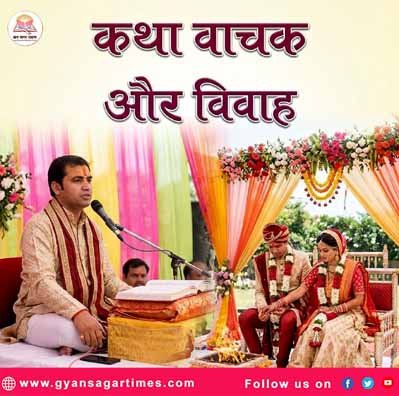
कथा वाचकों या आध्यात्मिक प्रवचनकर्ताओं के विवाह का मुद्दा सनातन धर्म के अनुयायियों के बीच अक्सर चर्चा और बहस का विषय बन जाता है. एक वर्ग इसे उनकी आध्यात्मिक भूमिका और वैराग्य की अपेक्षा के विपरीत मानता है, जबकि दूसरा वर्ग इसे सामान्य मानवीय आवश्यकता और सामाजिक जीवन के अनुकूल मानता है. क्या यह कृत्य वास्तव में “सनातन का अपमान” है, या यह परंपरा की गतिशील प्रकृति का प्रमाण है?
पारंपरिक रूप से, कथा वाचकों और संतों से वैराग्य (विरक्ति) और ब्रह्मचर्य के पालन की अपेक्षा की जाती थी. उन्हें सांसारिक मोह-माया से ऊपर उठकर धर्म के प्रचार और ईश्वर भक्ति में लीन रहने वाला माना जाता था. वैवाहिक जीवन को प्रायः इन लक्ष्यों में एक संभावित बाधा के रूप में देखा जाता था. एक कथावाचक समाज के लिए एक आदर्श प्रस्तुत करता है. यदि वह स्वयं पारिवारिक बंधनों में बंधता है, तो कुछ अनुयायियों के लिए यह उनके उपदेशों की गंभीरता को कम कर सकता है. प्राचीन काल में, गुरुजन अधिकतर गृहस्थ आश्रम से पहले ही संन्यास ले लेते थे, जिससे उनका पूरा ध्यान शिक्षा और आध्यात्मिक उत्थान पर केंद्रित रहे हैं.
अभी हाल ही में काशी विद्वत परिषद ने हाल के विवादों के संदर्भ में स्पष्ट कहा कि भागवत‑कथा कहना किसी एक जाति या किसी खास वर्ग की निजी जागीर नहीं है; सिद्धांततः हर हिंदू, जो पात्रता रखता हो, कथा कह सकता है.
सनातन धर्म में गृहस्थ आश्रम का विशेष महत्व माना गया है. वैसे तो देखा जाय तो सनातन धर्म में 16 संस्कारों में एक संस्कार विवाह भी है. जो जीवन के चार आश्रमों में से दूसरे आश्रम (गृहस्थ आश्रम) का आधार है. ज्ञात है कि, गृहस्थ आश्रम ही शेष तीनों आश्रमों को पोषण प्रदान करता है. विवाह धर्म, अर्थ और काम (पुरुषार्थ) को साधने का एक वैध और आवश्यक मार्ग है. वैसे तो देखा जाय तो सनातन धर्म किसी भी चीज के अत्यधिक त्याग या अत्यधिक भोग का समर्थन नहीं करता, बल्कि संतुलन पर बल देता है. अनेको महान ऋषि-मुनि और संत-महात्मा गृहस्थ रहे हैं (जैसे महर्षि वाल्मीकि, महर्षि वेदव्यास).
वैसे तो विवाह को “सनातन का अपमान” कहना एक अतिशयोक्तिपूर्ण और संकुचित व्याख्या हो सकती है. यह धारणा मुख्यतः दो कारणों से उत्पन्न होती है. वर्तमान समय में कथा वाचक प्रायः पेशेवर वक्ता, विद्वान और सामाजिक कार्यकर्ता की भूमिका निभाते हैं. उनका जीवन पूरी तरह से एक पारंपरिक संन्यासी जैसा नहीं होता, बल्कि वह एक सामान्य धर्म-प्रचारक का होता है. वे उपदेश देते हैं, परन्तु, यह आवश्यक नहीं है कि वे वैरागी ही हों. विवाह किसी कथावाचक की आध्यात्मिक योग्यता या ज्ञान को कम नहीं कर सकता. उनकी शिक्षाएँ, उनका शास्त्रों का ज्ञान और उनका आचरण ही उनकी प्रामाणिकता का मूल आधार होना चाहिए, न कि उनके वैवाहिक स्तर का. यह उनका निजी चुनाव है कि वे किस आश्रम का पालन करते हैं, शर्त यह कि, वे धर्म और नीति का पालन करें.
यदि कोई कथा वाचक अपनी व्यक्तिगत शुचिता (पवित्रता), सामाजिक नैतिकता और धर्म प्रचार के मूल उद्देश्य से समझौता नहीं करते हैं, तो उनका विवाह सनातन का अपमान नहीं माना जाना चाहिए. संन्यासी, अखंड ब्रह्मचारी या वे व्यक्ति जो विशेष व्रत लेकर देव‑सेवा में जीवन अर्पित करते हैं, उनके लिए विवाह न करना एक व्रत है. परंतु हर कथा‑वाचक संन्यासी नहीं होता है. परन्तु, हर कथा‑वाचक के ऊपर यह व्रत स्वतः ही लागू हो जाता है.
सनातन धर्म एक सहिष्णु और समावेशी धर्म है. जब तक कथावाचक अपने कर्तव्यों और धर्म का पालन करते हैं, तब तक उनका विवाह एक मानवीय आवश्यकता और सामाजिक व्यवस्था का हिस्सा है, न कि धर्म का अपमान. वहीँ, कोई सर्वमान्य शास्त्रीय नियम यह नहीं दिखता है कि “जो कथा कहे, उसे विवाह नहीं करना चाहिए”.
वाल व्यास सुमनजी महाराज,
महात्मा भवन, श्रीराम-जानकी मंदिर,
राम कोट, अयोध्या. 8709142129.
========== ========= ===========
Kathavachaks and Marriage…?
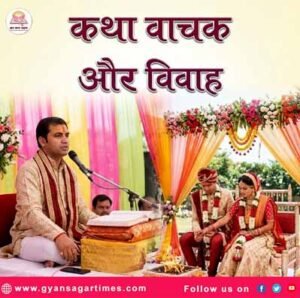
The issue of marriage among Kathavachaks or spiritual preachers often becomes a topic of discussion and debate among followers of Sanatan Dharma. One group considers it contrary to their spiritual role and the expectation of renunciation, while another considers it compatible with normal human need and social life. Is this act truly an “insult to Sanatan,” or is it evidence of the dynamic nature of the tradition?
Traditionally, Kathavachaks and saints were expected to practice renunciation (vairagya) and celibacy. They were considered to transcend worldly attachments and remain engrossed in the propagation of religion and devotion to God. Married life was often seen as a potential obstacle to these goals. A Kathavachak sets an example for society. If he himself enters into family ties, it may diminish the seriousness of his teachings for some followers. In ancient times, gurus often took sanyas (renunciation) before entering the Grihastha Ashram (household life), allowing them to focus solely on education and spiritual upliftment.
Recently, the Kashi Vidvat Parishad, in the context of recent controversies, clarified that narrating the Bhagavata Katha is not the exclusive domain of any one caste or class; in principle, every Hindu who is eligible can narrate the Katha.
The Grihastha Ashram is considered of special importance in Sanatan Dharma. Marriage is one of the 16 sacraments in Sanatan Dharma. It forms the foundation of the second of the four Ashramas (household life). It is known that the Grihastha Ashram (household life) provides nourishment to the remaining three Ashramas. Marriage is a legitimate and necessary path to achieving Dharma, Artha, and Kama (purushartha). In fact, Sanatan Dharma does not advocate excessive renunciation or excessive indulgence of anything; rather, it emphasizes balance. Many great sages, saints, and great men were householders (such as Maharishi Valmiki and Maharishi Ved Vyas).
While calling marriage an “insult to Sanatana” may be an exaggeration and narrow interpretation, this perception arises primarily for two reasons. Today, Kathavachak often serves as professional speakers, scholars, and social workers. Their lives are not entirely that of a traditional sanyasi, but rather that of a typical preacher. They preach, but they are not necessarily ascetics. Marriage cannot diminish a Kathavachak’s spiritual abilities or knowledge. Their teachings, their knowledge of scriptures, and their conduct should be the foundation of their authenticity, not their marital status. It is their personal choice which Ashrama they follow, provided they adhere to Dharma and Niti.
If a storyteller does not compromise their personal purity, social morality, and the fundamental purpose of propagating religion, their marriage should not be considered an insult to Sanatan Dharma. For sannyasis, ekhand celibates, or those who dedicate their lives to the service of God by taking a special vow, not marrying is a vow. However, not every storyteller is a sanyasi. However, this vow automatically applies to every storyteller.
Sanatan Dharma is a tolerant and inclusive religion. As long as storytellers follow their duties and dharma, their marriage is a human necessity and part of the social system, not an insult to the religion. At the same time, there appears to be no universally accepted scriptural rule that “one who tells a story should not marry.”
Bal Vyas Sumanji Maharaj,
Mahatma Bhawan, Shri Ram-Janaki Temple,
Ram Kot, Ayodhya. 8709142129.