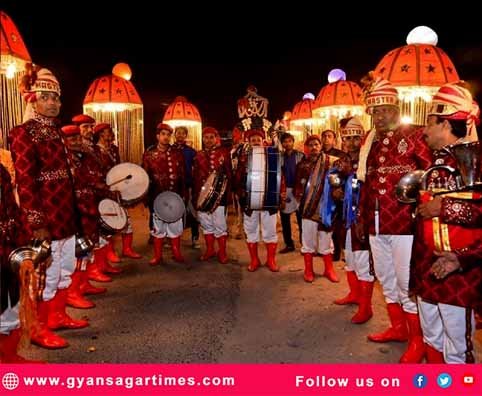
“आई रे आई शुभ घड़ी आई…” विवाहोत्सव की यह पुकार जैसे ही गूंजती है, शहर की गलियों में शहनाइयाँ बज उठती हैं, पटाखों की आवाज़ें नींद को चीरती हैं, और बारातें रात के अंधेरे में जगमगाती रोशनी के साथ निकल पड़ती हैं. पर क्या यह ‘शुभ घड़ी’ वास्तव में शुभ है?
सनातन धर्म में शुभ कार्यों के लिए दिन का समय उत्तम माना गया है.शास्त्रों के अनुसार, रात्रि काल तमसिक प्रवृत्तियों का समय है, जिसमें शुभ कार्य वर्जित हैं. वहीँ, विवाह जैसे मंगल कार्यों के लिए ब्राह्म मुहूर्त, प्रातःकाल या दिन का समय अधिक उपयुक्त माना गया है. यह एक विरोधाभास है कि जहाँ कई धार्मिक ग्रंथ रात्रि को शुभ कार्यों के लिए वर्जित मानते हैं, वहीं उत्तर भारत के बड़े हिस्से में विवाह जैसे अत्यंत शुभ कार्य रात में ही संपन्न होते हैं.
वैदिक परंपरा में, सूर्य को सभी का साक्षी और जीवन का आधार माना गया है. प्राचीन काल में, विवाह जैसे महत्त्वपूर्ण अनुष्ठान दिन में या गोधूलि बेला (शाम) में सूर्य की साक्षी में संपन्न होते थे. शास्त्रों में रात्रि को राक्षसी काल या नकारात्मक ऊर्जा का समय बताया गया है, इसलिए इसमें शुभ कार्य वर्जित माने गए हैं.
वैदिक ज्योतिष में विवाह के लिए नक्षत्रों, ग्रहों और राशियों की अनुकूल स्थिति के अनुसार शुभ मुहूर्त निकाला जाता है. कई बार ये अत्यंत शुभ योग, जैसे निशीथ काल (मध्यरात्रि), ही विवाह के लिए सर्वाधिक उपयुक्त माने जाते हैं. वहीँ, दूसरी ओर रात्रि में ध्रुव तारे को स्थिरता और चंद्रमा को शीतलता और मधुर संबंध का प्रतीक मानकर, इन्हें साक्षी बनाकर फेरे लेने की भी परंपरा है.
ऐतिहासिक मतों के अनुसार, मुग़ल काल में आक्रमणकारियों और लुटेरों से बहू-बेटियों को बचाने के लिए विवाह दिन के बजाय रात के अंधेरे में छुपकर किया जाने लगा था. हालांकि, इस ऐतिहासिक मत की पुष्टि पूर्ण रूप से नहीं होती, लेकिन यह प्रचलन को समझने में सहायक साबित होती है.
रात्रि विवाह के चलन को जब न्यायसंगतता और आधुनिक जीवनशैली की कसौटी पर परखा जाता है, तो कई सवाल खड़े होते हैं. विवाह एक निजी और पारिवारिक उत्सव है, लेकिन अर्द्धरात्रि में अत्यधिक शोर करना, बैंड-बाजा बजाना और आतिशबाजी करना अन्य शहरवासियों के आराम और नींद के अधिकार का हनन है. यह एक प्रकार की सामाजिक अव्यवस्था है, जो किसी भी सभ्य और आधुनिक समाज के लिए अस्वीकार्य होनी चाहिए। देर रात की बारातें न केवल ध्वनि प्रदूषण बल्कि आतिशबाजी से वायु प्रदूषण भी फैलाती हैं. डिजिटल युग में, जब हम जलवायु परिवर्तन पर बात करते हैं, तब ऐसे प्रदूषणकारी कृत्य गैर-जिम्मेदाराना लगता है.
अक्सर, शुभ मुहूर्त का विचार बेशक महत्त्वपूर्ण है, लेकिन जब यह तंग गलियों में घंटों बारात खींचने और व्यर्थ के दिखावे करना, सामजिक मजबूरी बन जाता है, तो संस्कार का मूल भाव कहीं खो जाता है. जबकि, सनातन संस्कृति हमेशा धर्म (कर्तव्य) और व्यवस्था पर जोर देती है. आज के समय की माँग है कि हम शास्त्रों और परंपराओं के मूल उद्देश्य (जो कि कल्याण है) को समझें, और अनावश्यक शोरगुल, प्रदूषण एवं दूसरों की असुविधा से बचें. यदि शुभ मुहूर्त रात्रि में है, तो उसे सादगी, शांति और समयबद्ध तरीके से संपन्न किया जाना चाहिए.
रात्रिकालीन विवाहोत्सव आधुनिकता की एक सुविधा है, परंतु यह हमारी सांस्कृतिक जड़ों से विचलन भी है. जब शास्त्रों की वाणी रात्रि को वर्जित कहती है, तब हमें यह सोचने की आवश्यकता है कि क्या हम केवल दिखावे के पीछे अपनी परंपरा और सामाजिक संवेदनशीलता को क्यूँ खो रहे हैं. जबकि, विवाह केवल दो आत्माओं का मिलन नहीं, बल्कि संस्कृति और समाज की पुनःस्थापना भी है. तो फिर शुभ कार्य को अशुभ समय करना कितना न्याय संगत है…
========== ========= ===========
Nighttime wedding celebration?
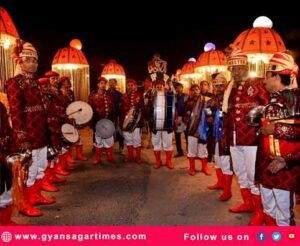
“The auspicious hour has come…” As this call for a wedding resounds, the city streets resound with the sound of clarinets, the sound of firecrackers shatters sleep, and wedding processions set out with glittering lights in the darkness of the night. But is this “auspicious hour” truly auspicious?
In Sanatan Dharma, daytime is considered the best time for auspicious events. According to scriptures, nighttime is a time of tamasic tendencies, during which auspicious activities are prohibited. Meanwhile, Brahmamuhurta, morning, or daytime are considered more suitable for auspicious events like marriage. It is a paradox that while many religious texts consider nighttime as prohibited for auspicious events, in large parts of North India, extremely auspicious events like weddings are performed at night.
In the Vedic tradition, the Sun is considered the witness of all and the foundation of life. In ancient times, important rituals like marriages were performed during the day or at dusk (evening) in the presence of the Sun. The scriptures describe night as a time of demonic or negative energy, and therefore, auspicious activities are prohibited during this time.
In Vedic astrology, an auspicious time for marriage is determined based on the favorable positions of the constellations, planets, and zodiac signs. Sometimes, these extremely auspicious periods, such as Nishith Kaal (midnight), are considered most suitable for marriage. On the other hand, there is a tradition of taking the wedding vows at night, with the Pole Star as a symbol of stability and the Moon as a symbol of coolness and a sweet relationship, and witnessing them.
According to historical accounts, during the Mughal period, marriages began to be performed secretly in the dark of night instead of during the day to protect daughters-in-law and daughters from invaders and robbers. While this historical account is not fully confirmed, it proves helpful in understanding the practice.
When the practice of night marriages is examined against the criteria of fairness and modern lifestyle, many questions arise. Marriage is a private and family celebration, but making excessive noise, playing bands, and setting off fireworks at midnight violates the right of other citizens to rest and sleep. This constitutes a form of social disorder that should be unacceptable in any civilized and modern society. Late-night wedding processions not only cause noise pollution but also air pollution from fireworks. In the digital age, when we talk about climate change, such polluting acts seem irresponsible.
Often, the idea of an auspicious time is undoubtedly important, but when it becomes a social compulsion to drag out processions for hours through narrow streets and display unnecessary showmanship, the essence of the ritual is lost. However, Sanatan culture always emphasizes Dharma (duty) and order. Today’s times demand that we understand the fundamental purpose of scriptures and traditions (which is welfare) and avoid unnecessary noise, pollution, and inconvenience to others. If the auspicious time is at night, it should be conducted with simplicity, peace, and in a timely manner.
Nighttime weddings are a convenience of modernity, but they also represent a departure from our cultural roots. When scriptures prohibit nighttime, we need to consider why we are losing our traditions and social sensibilities in pursuit of mere show. Marriage, after all, is not just a union of two souls, but also a re-establishment of culture and society. So, how justified is it to perform an auspicious ceremony at an inauspicious time?