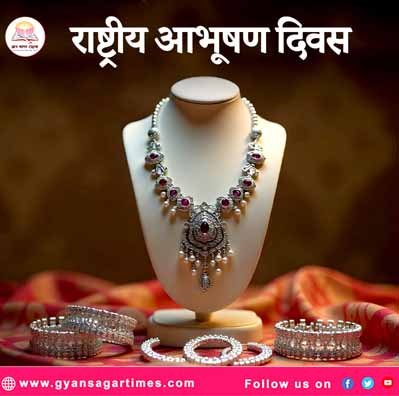
राष्ट्रीय आभूषण दिवस हर वर्ष 13 मार्च को मनाया जाता है. यह दिन आभूषणों के सौंदर्य, ऐतिहासिक महत्व और सांस्कृतिक प्रभाव को समर्पित है. आभूषण न केवल शरीर की सजावट का साधन है, बल्कि यह व्यक्ति की पहचान, सामाजिक स्थिति और भावनाओं को भी प्रकट करता है साथ ही यह दिन हमें आभूषणों के माध्यम से अपनी संस्कृति, परंपराओं और कला को भी समझने का अवसर प्रदान करता है.
आभूषणों का इतिहास मानव सभ्यता के उदय के साथ जुड़ा हुआ है. प्राचीन काल से ही मनुष्य ने स्वयं को सजाने के लिए प्रकृति से प्राप्त चीजों जैसे – पत्थर, हड्डियाँ, लकड़ी और धातुओं का उपयोग करता रहा है. वैसे तो भारत में भी आभूषणों का विशेष स्थान रहा है. यहाँ के प्राचीन ग्रंथों, मूर्तियों और चित्रों में आभूषणों का वर्णन मिलता है. मोहनजोदड़ो और हड़प्पा जैसी सभ्यताओं में भी आभूषणों के प्रमाण मिले हैं, जो इसकी प्राचीनता को दर्शाते हैं.
भारतीय संस्कृति में आभूषणों का विशेष महत्व है. यह केवल सौंदर्य का प्रतीक नहीं है, बल्कि इसे शुभता, समृद्धि और सुरक्षा का प्रतीक भी माना जाता है. विवाह, त्योहार और अन्य शुभ अवसरों पर आभूषण पहनने की परंपरा है. महिलाओं के लिए आभूषण उनकी सामाजिक और आर्थिक स्थिति को भी दर्शाते हैं. भारत के विभिन्न राज्यों में अलग-अलग प्रकार के आभूषण पहने जाते हैं, जो उनकी सांस्कृतिक विविधता को भी दर्शाते हैं.
भारत में आभूषणों की विविधता अद्भुत है. यहाँ सोने, चाँदी, हीरे, मोती और रत्नों से बने आभूषणों का चलन है जैसे: –
- मंगलसूत्र: – विवाहित महिलाओं के लिए शुभता का प्रतीक.
- नथ: – नाक का आभूषण, जो सौंदर्य और परंपरा का प्रतीक है.
- बाजूबंद: – बाजू पर पहना जाने वाला आभूषण.
- पायल: – पैरों की सजावट के लिए पहना जाने वाला आभूषण.
- टीका: – माथे पर पहना जाने वाला आभूषण, जो शुभता का प्रतीक है.
समय के साथ आभूषणों के डिजाइन और शैली में बदलाव आया है. आधुनिक युग में फैशन और ट्रेंड के अनुसार आभूषणों को डिजाइन किया जाता है. हालाँकि, पारंपरिक आभूषणों का महत्व आज भी बना हुआ है. आभूषण अब केवल महिलाओं तक ही सीमित नहीं हैं, बल्कि पुरुष भी इन्हें पहनने लगे हैं. इसके अलावा, सस्टेनेबल और इको-फ्रेंडली आभूषणों की मांग भी बढ़ रही है.
राष्ट्रीय आभूषण दिवस का मुख्य उद्देश्य आभूषणों के प्रति लोगों में जागरूकता फैलाना है. यह दिन हमें आभूषणों के माध्यम से अपनी संस्कृति और परंपराओं को संजोने की प्रेरणा देता है. साथ ही, यह दिन आभूषण निर्माताओं और कारीगरों के कौशल को सम्मान देने का अवसर भी प्रदान करता है.
राष्ट्रीय आभूषण दिवस हमें याद दिलाता है कि आभूषण केवल सजावट का साधन नहीं है, बल्कि यह हमारी संस्कृति, इतिहास और भावनाओं का प्रतीक है. यह दिन हमें अपनी परंपराओं को संजोने और आभूषणों के माध्यम से अपनी पहचान को बनाए रखने का संदेश देता है.
========== ========= ===========
National Jewellery Day…
National Jewellery Day is celebrated every year on 13 March. This day is dedicated to the beauty, historical significance, and cultural influence of jewellery. Jewellery is not only a means of body decoration, but it also reveals the identity, social status, and emotions of a person. This day also allows us to understand our culture, traditions, and art through jewellery.
The history of jewellery is associated with the rise of human civilization. Since ancient times, man has been using things obtained from nature, such as stones, bones, wood, and metals, to decorate himself. By the way, jewellery has a special place in India too. Descriptions of jewellery are found in ancient texts, sculptures, and paintings here. Evidence of jewellery has also been found in civilizations like Mohenjo-Daro and Harappa, which shows its antiquity.
Jewellery has special significance in Indian culture. It is not only a symbol of beauty, but it is also considered a symbol of auspiciousness, prosperity, and security. There is a tradition of wearing jewellery on marriage, festivals, and other auspicious occasions. Jewellery for women also reflects their social and economic status. Different types of jewellery are worn in different states of India, which also reflects their cultural diversity.
The variety of jewellery in India is amazing. Jewellery made of gold, silver, diamonds, pearls, and gems is popular here, such as: –
- Mangalsutra: – A symbol of auspiciousness for married women.
- Nath: – Nose jewellery, which is a symbol of beauty and tradition.
- Bazuband: – Jewellery is worn on the arm.
- Payal: – Jewellery is worn for foot decoration.
- Tika: – Jewellery is worn on the forehead, which is a symbol of auspiciousness.
The design and style of jewellery have changed over time. In the modern era, jewellery is designed according to fashion and trends. However, the importance of traditional jewellery remains even today. Jewellery is no longer limited to women only, but men have also started wearing it. Apart from this, the demand for sustainable and eco-friendly jewellery is also increasing.
The main objective of National Jewellery Day is to spread awareness among people about jewellery. This day inspires us to cherish our culture and traditions through jewellery. Also, this day provides an opportunity to honour the skills of jewellery makers and artisans.
National Jewellery Day reminds us that jewellery is not just a means of decoration but also a symbol of our culture, history, and emotions. This day reminds us to cherish our traditions and maintain our identity through jewellery.