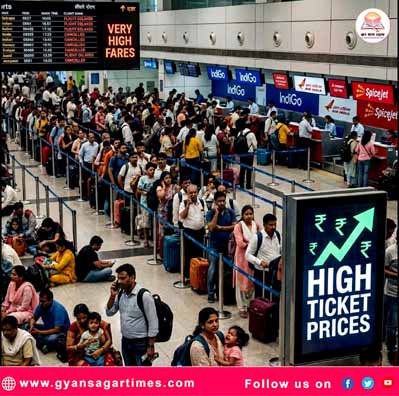
जब भी संकट आता है तो दूसरे तरफ लूट मच जाती है. इसका ताजा उदाहरण है इंडिगो के संकट की घड़ी में दूसरे कंपनियों में लूट की होड़ मची है. ज्ञात है कि, इंडिगो जैसी कंपनियों की बड़े पैमाने पर उड़ान रद्दीकरण, चक्रवात से एयरपोर्ट बंद होना, अचानक पायलटों की कमी या तकनीकी गड़बड़ी – सबसे ज़्यादा चोट जिन पर पड़ती है, वे हैं यात्री।
अर्थशास्त्र में पढ़ा होगा ” मांग और आपूर्ति का नियम”. माँग–आपूर्ति का नियम है या यह खुली लूट, जिसे हम “संकट के समय लूट” जिसे प्राइस गाउजिंग भी कहा जाता है. जब किसी आपदा, संकट या अचानक आई आपूर्ति की कमी के दौरान कंपनियां आवश्यक सेवाओं/उत्पादों के दाम सामान्य से असंगत रूप से ज़्यादा बढ़ा देती हैं. इसके पीछे एक बड़ा कारण होता है “मुनाफ़ा”.
आमतौर पर एयरलाइंस डायनेमिक प्राइसिंग का उपयोग करती हैं – यानी माँग बढ़ने पर कीमत बढ़ती है, सीटें कम हों तो कीमत ऊपर जाती है, और ऑफ-पीक समय पर कीमत घटती है. यह सामान्य बाज़ार तंत्र का हिस्सा है लेकिन, संकट के समय, यही तंत्र एक नज़र में शोषण जैसा लगने लगता है जैसे – “किराया” में असमान उछाल. संकट के समय यात्रियों के पास दुसरा वैकल्पिक मार्ग नहीं होता है तो हवाई कंपनियां लूट के इस अवसर जाने नहीं देती है. उदाहरण के लिए एक बड़े चक्रवात के दौरान कोलकाता एयरपोर्ट को सुरक्षा कारणों से लगभग 21 घंटे के लिए बंद करना पड़ा था. जिसके कारण कई उड़ानें रद्द और डायवर्ट हुईं थीं. दुबारा, जब उड़ानें फिर शुरू हुईं, तो सीमित सीटों पर भारी मांग टूट पड़ी। कुछ रूटों पर किराया 70–80 हज़ार तक पहुंच गया, जबकि सामान्य दिनों में यही टिकट लगभग 7–8 हज़ार में मिल जाता था.
बताते चलें कि, हवाई कंपनियां जटिल एल्गोरिथम का उपयोग करती हैं जो वास्तविक समय की मांग, सीटों की उपलब्धता, बुकिंग के समय और ऐतिहासिक डेटा के आधार पर स्वचालित रूप से किराए निर्धारित करते हैं. वहीं , संकट के दौरान, मांग में अचानक और तीव्र वृद्धि होती है, जिससे यह एल्गोरिथम उपलब्ध सीटों के लिए कीमतें चरम स्तर तक बढ़ा देता है. एयरलाइनों का तर्क होता है कि यह मुनाफाखोरी नहीं, बल्कि बाजार की ताकतों के अनुसार सिस्टम का स्वचालित संचालन है.
आपदा के दौरान भागने की कोशिश कर रहे लोगों के लिए अत्यधिक कीमतें होने से उनकी जान का भी खतरा हो सकता है. दूसरी तरफ, यात्रियों को अपनी यात्रा योजनाओं को रद्द करने या अप्रत्याशित रूप से बड़ी रकम चुकाने के लिए मजबूर होना पड़ता है, जिससे मानसिक तनाव बढ़ता है. संकट के समय इस तरह का व्यवहार एयरलाइनों के प्रति जनता के विश्वास को कमजोर करता है, जिससे वे ‘मुनाफाखोर’ के रूप में देखे जाते हैं.
दुनिया के कई देशों में, सरकारें आपदा या गंभीर परिचालन संकट की घोषणा के बाद एक निश्चित मूल्य सीमा लागू करती हैं ताकि किराए एक सीमा से अधिक न बढ़ें. सरकार को भी चाहिए कि वे कीमतों में असामान्य वृद्धि की उच्च स्तरीय जांच कराएं और यह सुनिश्चित करें कि एयरलाइनें यात्रियों को वैकल्पिक मार्ग या उचित रिफंड प्रदान करें. मूल्य निर्धारण एल्गोरिथम को मानवीय हस्तक्षेप के लिए एक तंत्र की आवश्यकता होती है, जो संकट की स्थिति में स्वचालित वृद्धि को मैन्युअल रूप से नियंत्रित किया जा सके. वहीँ, सरकार को चाहिए कि, मुनाफे के लिए उपभोक्ताओं की मजबूरी का फायदा उठाने वाली कंपनियों के खिलाफ कड़े उपभोक्ता संरक्षण कानूनों को लागू करें.
बताते चलें कि, भारत सहित कई देशों में उड्डयन क्षेत्र को पूरी तरह मुक्त बाज़ार पर नहीं छोड़ा गया है.सरकारें भी कुछ हद तक हस्तक्षेप करती हैं. इंडिगो संकट के दौरान नागरिक उड्डयन मंत्री ने एयरलाइंस को सख्त चेतावनी देते हुए कहा कि, यात्रियों का शोषण न करें और किराये “अनुचित” स्तर तक न बढ़ाएं.
संकट के समय हवाई कंपनियों द्वारा अत्यधिक किराए वसूलना मुनाफाखोरी ही है, यह केवल अर्थशास्त्र का सवाल नहीं बल्कि, यह मानवीयता का समय होता है. एयरलाइन उद्योग को बाजार की ताकतों का लाभ उठाने के बजाय, कॉर्पोरेट सामाजिक जिम्मेदारी का प्रदर्शन करना चाहिए और संकट के मारे लोगों के लिए किराया कैप लगाकर या रियायती उड़ानें चलाकर राहत प्रदान करनी चाहिए.
========== ========= ===========
Looting in Times of Crisis…
Whenever a crisis strikes, looting erupts elsewhere. The latest example is Indigo’s crisis, which has seen other companies rampant. It’s well known that passengers are the most affected by massive flight cancellations, airport closures due to cyclones, sudden pilot shortages, or technical glitches.
You may have read about the “law of demand and supply” in economics. This is the law of demand and supply, or is this open looting what we call “looting in times of crisis,” also known as price gouging. During a disaster, crisis, or sudden supply shortage, companies raise prices for essential services/products disproportionately higher than normal. The primary reason behind this is “profit.”
Airlines typically use dynamic pricing—that is, prices rise when demand increases, prices rise when seats are scarce, and prices fall during off-peak times. This is part of normal market mechanisms, but during times of crisis, these same mechanisms can appear exploitative, such as disproportionately high fares. During a crisis, passengers lack alternative routes, so airlines seize this opportunity to exploit. For example, during a major cyclone, Kolkata airport was closed for nearly 21 hours for security reasons, resulting in numerous flight cancellations and diversions. When flights resumed, there was a massive demand for limited seats. Fares on some routes reached 70,000–80,000 rupees, while on normal days, the same ticket would cost around 7,000–8,000 rupees.
It should be noted that airlines use complex algorithms that automatically determine fares based on real-time demand, seat availability, booking times, and historical data. However, during a crisis, demand increases suddenly and sharply, causing these algorithms to drive prices for available seats to extreme levels. Airlines argue that this is not profiteering, but rather the automatic operation of the system based on market forces.
Exorbitant prices can even endanger the lives of people trying to flee during a disaster. On the other hand, passengers are forced to cancel their travel plans or pay unexpectedly large sums, increasing mental stress. Such behavior during a crisis undermines public trust in airlines, leading them to be perceived as profiteers.
In many countries around the world, governments impose a price cap after declaring a disaster or a serious operational crisis to prevent fares from rising beyond a certain limit.
Governments should also conduct high-level investigations into abnormal price increases and ensure that airlines provide passengers with alternative routes or appropriate refunds. Pricing algorithms require a mechanism for human intervention, allowing automatic price increases to be manually controlled in the event of a crisis. At the same time, the government should enforce strict consumer protection laws against companies that exploit consumers’ compulsions for profit.
It should be noted that in many countries, including India, the aviation sector is not completely left to the free market. Governments also intervene to some extent. During the Indigo crisis, the Civil Aviation Minister issued a stern warning to airlines, asking them not to exploit passengers and raise fares to “unreasonable” levels.
Charging excessive fares by airlines during a crisis is profiteering; it is not just a question of economics; this is a time of humanity. Instead of taking advantage of market forces, the airline industry should demonstrate corporate social responsibility and provide relief to those affected by the crisis by imposing fare caps or operating discounted flights.