नई सरकार का गठन होते ही जिस तरह से ‘फरमानों’ की झड़ी लग जाती है वह तो भारतीय लोकतंत्र का एक ऐसा दिलचस्प अध्याय है जहाँ स्याही सूखने से पहले ही सिस्टम का रंग बदलने लगता है.
नई सरकार बनते ही जैसे ही शपथ की शुद्ध ध्वनि गूंजी और शपथ ग्रहण समारोह का आखिरी समोसा खत्म होते ही प्रशासनिक गलियारों में एक अजीब सी ‘चुस्ती’ दौड़ने लगती है. कल तक जो फाइलें कछुए की चाल से रेंग रही थीं, वे अचानक चीते की रफ्तार से मेजों पर कूदने लगती हैं.
नई सरकार के आते ही सबसे पहला फरमान अक्सर सौंदर्यीकरण से होता है. कल तक जो बोर्ड का जो रंग था रातों-रात बदल जाता है. साथ ही योजनाओं के नाम ऐसे बदले जाते हैं जैसे किसी बच्चे का मुंडन संस्कार हो रहा हो. जनता वही है, गरीबी वही है, बस उस पर चिपका हुआ ‘स्टिकर’ नया है. ऐसा लगता है कि नाम बदलने से गरीबी को शर्म आ जाएगी और वह खुद-ब-खुद देश छोड़कर चली जाएगी.
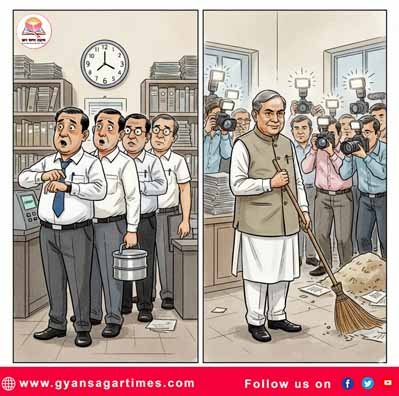
नई सरकार बनते ही फरमान आता है कल से सभी कर्मचारी 9:00 बजे ऑफिस पहुंचें. यह सुनकर वर्षों से 11:30 बजे लंच करने वाले बाबू ऐसे चौंकते हैं जैसे उन्हें शनि ग्रह पर भेजने का आदेश दे दिया गया हो. शुरुआत के 15 दिन बायोमेट्रिक मशीन पर इतनी भीड़ होती है जैसे राशन की दुकान हो. 16वें दिन मशीन ‘तकनीकी खराबी’ के कारण आराम करने लगती है और व्यवस्था वापस ‘यथास्थिति’ के आनंद में डूब जाती है.
नई सरकार को लगता है कि पिछले पांच वर्षों में झाड़ू ही नहीं चली है. फरमान निकलता है सफाई करो. बड़े साहब हाथ में झाड़ू पकड़ते हैं, कैमरे चमकते हैं, और जिस कचरे को साफ किया जाता है, वह अक्सर पास के दूसरे कोने में ‘शिफ्ट’ कर दिया जाता है.
सबसे महत्वपूर्ण फरमान होता है जिसमें जिले के कलेक्टर से लेकर थाने के सिपाही तक को ऐसे फेंटा जाता है जैसे ताश की गड्डी हो.. प्रशासनिक कसावट लाने के लिए या अपने प्रिय ‘यस-मैन’ को मलाईदार मेज पर बैठाने के लिए… अधिकारी सामान पैक करना शुरू ही करता है तब-तक दूसरा फरमान आ जाता है कि “सॉरी, आपको वहां नहीं, कहीं और जाना है.
देखा जाय तो…ये फरमान काम करने के लिए कम और ‘दबदबा’ बनाने के लिए ज्यादा होते हैं. जनता को लगना चाहिए कि “सरकार बदल गई है.” भले ही राशन कार्ड के लिए उसे आज भी उसी खिड़की पर पांच चक्कर काटने पड़ें. यह बिल्कुल वैसा ही है जैसे किसी पुरानी कार में नया एयर फ्रेशनर लगा देना, खुशबू बदल जाती है, लेकिन इंजन वही पुराना है जो हर चढ़ाई पर हांफने लगता है.
फरमान दरअसल सरकार का वह जादुई औजार है, जिससे वह जनता को यह विश्वास दिलाती है कि बदलाव हो रहा है. जितने अधिक फरमान होगी, उतनी ही अधिक सक्रियता का भ्रम भी होगा. जनता फरमानों को ऐसे पढ़ती है जैसे डॉक्टर की पर्ची। समझ में कम आता है पर असर ज्यादा होता है. एक तरफ सरकार मानती है कि फरमान ही विकास हैं, वहीँ, दूसरी तरफ जनता मानती है कि विकास तभी है जब फरमानों से पेट भरे.
दरअसल, यह व्यंग्य सत्ता और जनता के बीच उस अनंत संवाद का प्रतीक है, जिसमें आदेश तो ऊपर से ही आते हैं पर नीचे से तो सिर्फ ठहाके ही लगते हैं…
========== ========= ===========
Satire
The era of decrees has begun…
The way a flurry of “decrees” follows the formation of a new government is a fascinating chapter in Indian democracy, where the system’s colors begin to change even before the ink dries.
As soon as the solemn sound of the oath of office resonates after the formation of the new government, and the last samosa of the swearing-in ceremony is finished, a strange kind of “urgency” runs through the administrative corridors. Files that were crawling at a snail’s pace until yesterday suddenly start leaping across desks at the speed of a cheetah.
The first decree issued by a new government is often related to beautification. The color of the signboards that were there yesterday changes overnight. Similarly, the names of schemes are changed as if it were a naming ceremony for a newborn child. The people are the same, the poverty is the same, and only the “sticker” pasted on it is new. It seems as if changing the name will shame poverty into leaving the country on its own.
As soon as the new government is formed, a decree comes: from tomorrow, all employees must reach the office at 9:00 AM. Hearing this, the clerks who have been having lunch at 11:30 AM for years are so shocked that it’s as if they have been ordered to be sent to the planet Saturn. For the first 15 days, there is such a crowd at the biometric machine that it looks like a ration shop. On the 16th day, the machine starts resting due to a “technical fault,” and the system sinks back into the bliss of the “status quo.”
The new government feels that no cleaning has been done in the last five years. A decree is issued: clean up. The senior officer holds a broom in his hand, cameras flash, and the garbage that is cleaned is often “shifted” to another corner nearby. The most important decrees are those that shuffle everyone from the district collector to the police constable at the station like a deck of cards… either to tighten administrative control or to place their favorite ‘yes-man’ in a lucrative position… The officer barely starts packing his bags when another decree arrives saying, “Sorry, you’re not going there, you’re going somewhere else.”
If you look closely… these decrees are less about getting work done and more about establishing ‘dominance’. The public should feel that “the government has changed,” even if they still have to make five trips to the same window for a ration card. It’s exactly like putting a new air freshener in an old car; the scent changes, but the engine remains the same old one that sputters on every uphill climb.
Decrees are, in fact, the government’s magical tool to convince the public that change is happening. The more decrees there are, the greater the illusion of activity. The public reads these decrees like a doctor’s prescription; they understand little, but the effect is significant. On one hand, the government believes that decrees are development, while on the other hand, the public believes that development only exists when decrees fill their stomachs.
In essence, this satire symbolizes the endless dialogue between those in power and the people, in which orders come from above, but only laughter comes from below…