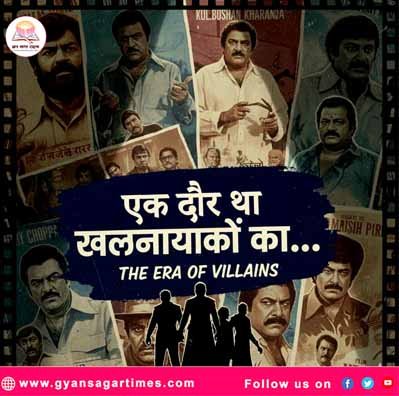
आज हम भारतीय सिनेमा के उस दौर की बात कर रहें है जब ‘नायक’ से ज्यादा ‘खलनायक’ की चर्चा होती थी. वर्ष 1970-80 के दशक के उस सुनहरे दौर में पर्दे पर जब विलेन की एंट्री होती थी, तो सिनेमाघरों में डर और रोमांच की एक लहर दौड़ जाती थी. उस दौर में खलनायक ही फिल्मों की आत्मा बन जाते थे. वे केवल बुरे इंसान नहीं थे, बल्कि उनके पास एक विशिष्ट व्यक्तित्व होता था. जैसे-
अमजद खान (गब्बर सिंह): – ‘शोले’ के गब्बर ने विलेन को एक देहाती लेकिन बेहद खतरनाक पहचान दी. उनके संवाद जैसे “पचास-पचास कोस दूर जब बच्चा रोता है…” आज भी लोककथाओं की तरह याद किए जाते हैं.
अमरीश पुरी (मोगाम्बो): – उन्होंने खलनायकी को एक ‘इंटरनेशनल’ और ‘लार्जर दैन लाइफ’ टच दिया. भारी आवाज, डरावनी आंखें और “मोगाम्बो खुश हुआ” जैसे तकियाकलाम ने उन्हें अमर कर दिया.
कुलभूषण खरबंदा (शाकाल): – ‘शान’ फिल्म का शाकाल एक हाई-टेक विलेन था, जो हाथ में सिगार लेकर शार्क मछलियों के बीच बैठता था.
गुलशन ग्रोवर ने ‘बैड मैन’ की छवि बनाई, जबकि रंजीत और रज़ा मुराद ने अपनी आवाज़ और व्यक्तित्व से डर पैदा किया.
सिनेमा के इस दौर में खलनायकों की प्रकृति समाज के बदलते डर के साथ बदलती रही. जैसे- शुरुआत दौर में विलेन गांव का सूदखोर या क्रूर जमींदार होता था. सत्तर के दशक में बीहड़ों के डाकुओं का खौफ दिखा, जहां विलेन घोड़ों पर सवार होकर आते थे. वहीँ, अस्सी के दशक तक आते-आते खलनायक अब शहरों में सूट-बूट पहनकर बैठने वाले ‘डॉन’ बन गए थे, जो सोने की तस्करी या ड्रग्स का व्यापार करते थे (जैसे ‘दीवार’ या ‘डॉन’).
वर्ष 1970-80 के दशक के खलनायक अपनी एक्टिंग के साथ-साथ अपनी डायलॉग डिलीवरी के लिए जाने जाते थे. हीरो के डायलॉग अगर तालियां बजवाते थे, तो विलेन के डायलॉग रीढ़ की हड्डी में सिहरन पैदा कर देते थे. जैसे – 1. “सारा शहर मुझे लॉयन के नाम से जानता है।” — अजीत (अनोखा अंदाज), 2. “प्रेम नाम है मेरा… प्रेम चोपड़ा।” — प्रेम चोपड़ा (बॉबी). इन संवादों ने खलनायकों को एक ‘ब्रांड’ बना दिया था.
उस दौर के खलनायक केवल ‘कैरिकेचर’ नहीं थे. प्राण, डैनी डेन्जोंगपा, रंजीत और शक्ति कपूर जैसे अभिनेताओं ने खलनायकी में भी विविधता दिखाई. प्राण साहब तो इतने प्रभावशाली थे कि कहा जाता है कि उनके डर से लोगों ने अपने बच्चों का नाम ‘प्राण’ रखना बंद कर दिया था. यह एक अभिनेता की सबसे बड़ी जीत थी कि, समाज उसे उसके पात्र के रूप में ही देखने लगा.
नब्बे के दशक के बाद ‘विलेन’ की परिभाषा बदलने लगी. हीरो ही ‘एंटी-हीरो’ बनने लगा (जैसे ‘डर’ या ‘बाजीगर’ में शाहरुख खान). धीरे-धीरे स्पष्ट रेखाएं धुंधली हो गईं और अब फिल्मों में कोई एक ‘पक्का विलेन’ होने के बजाय परिस्थितियां या सिस्टम ही विलेन बन गया है.
भारतीय सिनेमा का वह दौर जब खलनायक ही दर्शकों की धड़कनें बढ़ा देते थे, सिनेमा की आत्मा था. उन्होंने नायक को महान बनाया, समाज की बुराइयों को उजागर किया और दर्शकों को डर व रोमांच का अनोखा अनुभव दिया था.
========== ========= ===========
There was a time of villains…
Today, we’re talking about that era of Indian cinema when villains were discussed more than heroes. In that golden age of the 1970s and 80s, when a villain entered the screen, a wave of fear and excitement would sweep through the theaters.
In that era, villains became the soul of the films. They weren’t just bad guys; they possessed a distinct personality. For example:
Amjad Khan (Gabbar Singh): – Gabbar from ‘Sholay’ gave the villain a rustic yet extremely dangerous identity. His dialogues, like “When a child cries fifty miles away…”, are still remembered like folklore.
Amrish Puri (Mogambo): – He gave villainy an ‘international’ and ‘larger-than-life’ touch. His deep voice, terrifying eyes, and catchphrases like “Mogambo khush hua” (Mogambo is pleased) made him immortal.
Kulbhushan Kharbanda (Shaakal): – Shaakal from the film ‘Shaan’ was a high-tech villain who sat among sharks with a cigar in his hand.
Gulshan Grover created the image of the ‘Bad Man’, while Ranjeet and Raza Murad instilled fear with their voices and personalities.
In this era of cinema, the nature of villains changed with the changing fears of society. For example, in the early days, the villain was a village moneylender or a cruel landlord. In the seventies, the fear of dacoits from the ravines was depicted, where villains would arrive on horseback. By the eighties, the villains had become ‘dons’ sitting in cities, wearing suits and boots, involved in gold smuggling or drug trafficking (like in ‘Deewar’ or ‘Don’).
The villains of the 1970s and 80s were known not only for their acting but also for their dialogue delivery. While the hero’s dialogues elicited applause, the villain’s dialogues sent shivers down the spine. For example: 1. “The whole city knows me as Lion.” — Ajit (Anokha Andaaz), 2. “My name is Prem… Prem Chopra.” — Prem Chopra (Bobby). These dialogues made the villains a ‘brand’.
The villains of that era were not mere caricatures. Actors like Pran, Danny Denzongpa, Ranjit, and Shakti Kapoor brought diversity to villainy. Pran was so impactful that it is said people stopped naming their children ‘Pran’ out of fear. It was the greatest victory for an actor when society started seeing him as his character.
After the 1990s, the definition of a ‘villain’ began to change. The hero himself started becoming the ‘anti-hero’ (like Shah Rukh Khan in ‘Darr’ or ‘Baazigar’). Gradually, the clear lines blurred, and now, instead of a single ‘definitive villain’ in films, the circumstances or the system itself has become the villain.
That era of Indian cinema, when the villains made the audience’s hearts race, was the soul of cinema. They made the hero great, exposed the evils of society, and gave the audience a unique experience of fear and thrill.