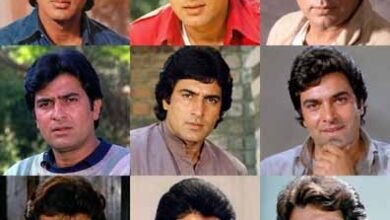
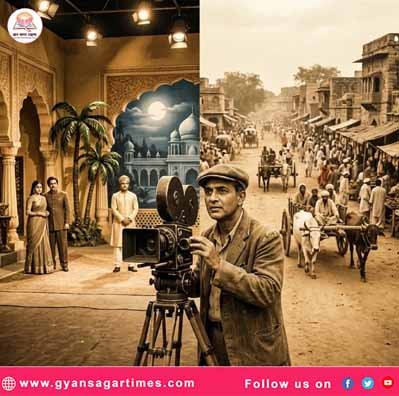
बॉलीवुड यानि हिंदी सिनेमा की यात्रा में एक ऐसा स्वर्णिम दौर था जब फिल्म निर्माताओं ने स्टूडियो के कृत्रिम सेटों से बाहर निकलकर गाँव, कस्बे और भारतीय परिदृश्य ही फिल्मों की आत्मा हुआ करती थी. यह केवल एक तकनीकी बदलाव नहीं था, बल्कि यह भारतीय सिनेमा में प्रामाणिकता, सांस्कृतिक जड़ों और नयापन की तलाश का प्रतीक बन गया.
बताते चलें कि, वर्ष 1990 के दशक के उत्तरार्ध और वर्ष 2000 के दशक की शुरुआत में यह बदलाव प्रमुखता से सामने आया, हालांकि इसकी जड़ें पहले भी थीं. वर्ष 1970-80 का दौर जो समानांतर सिनेमा और कुछ मुख्यधारा की फिल्मों का दौर था उस दौर में सत्यजीत रे, श्याम बेनेगल, गोविंद निहलानी जैसे निर्देशकों ने हमेशा से ही छोटे शहरों और गांवों की वास्तविक पृष्ठभूमि का उपयोग किया वहीँ, मुख्यधारा में भी, “शोले” (रामनगरम, कर्नाटक) और कुछ अन्य फिल्मों में बड़े आउटडोर शूट हुए थे.
वर्ष 1990- 2000 के दौर में एक बड़ा बदलाब आया. जिसमें कई निर्देशकों ने भारत के छोटे शहरों, कस्बों और गांवों की कहानियों पर ध्यान केंद्रित किया वहीँ, एनआरआई दर्शकों और विदेशी फिल्म समारोहों में भारतीय कहानियों की बढ़ती मांग ने कहानी को ‘जमीन से जुड़ा’ बनाने की प्रेरणा भी दी. उस समय की कहानियों, जैसे कि ग्रामीण रोमांस, सामाजिक-राजनीतिक नाटक, और गैंगस्टर ड्रामा, को प्रामाणिक रूप से दिखाने के लिए वास्तविक लोकेशन अनिवार्य थे.
साथ ही बेहतर कैमरा उपकरण और शूटिंग की लॉजिस्टिक्स में सुधार ने दूरदराज के इलाकों में भी फिल्म बनाना आसान बना दिया था. साथ ही दर्शकों को विदेश के भव्य नज़ारों के बजाय, अपने ही देश के अनदेखे हिस्सों को दिखाने की उत्सुकता भी थी. लेकिन इस बदलाव के बावजूद, लगान (2001), स्वदेस (2004), पीपली लाइव (2010) जैसी फिल्मों ने फिर से देशी लोकेशन को केंद्र में लाकर दर्शकों को उनकी जड़ों की याद दिलाई.
एक तरफ जहाँ देशी लोकेशन्स ने कहानियों में यथार्थवाद की परत जोड़ी. स्टूडियो के ‘पॉलिश’ सेटों की तुलना में, ये लोकेशन किरदार और कहानी के साथ गहरे रूप से जुड़े महसूस हुए. उदाहरण के लिए, उत्तर प्रदेश की टूटी-फूटी सड़कों, बिहार की मिट्टी की महक और राजस्थान के रेगिस्तानी टीलों ने पात्रों के जीवन संघर्ष को और भी विश्वसनीय बना दिया था. इन लोकेशन्स ने छायाकारों को नए और चुनौतीपूर्ण माहौल में काम करने का मौका दिया. छोटे शहरों की तंग गलियों, लोकल बाजारों की भीड़, और वास्तविक सूर्योदय/सूर्यास्त ने सिनेमैटोग्राफी को अधिक टेक्स्टर्ड (Textured) और रंगीन बना दिया. अब केवल ‘सुंदर’ दृश्य नहीं थे, बल्कि ‘अर्थपूर्ण’ दृश्य भी थे.
निर्देशक जब छोटे शहरों में गए, तो वे अपने साथ उस क्षेत्र की स्थानीय भाषा (Dialect), वेशभूषा और रीति-रिवाजों को भी ले आए. इसने बॉलीवुड को ‘एकरूपता’ से बाहर निकाला और भारत की भाषाई तथा सांस्कृतिक विविधता को उजागर किया. ‘ओंकारा’ या ‘गैंग्स ऑफ वासेपुर’ में इस्तेमाल की गई भाषा और लहजा, लोकेशन के कारण ही इतना प्रभावी बन सका. यह दौर भारतीय समाज में आ रहे बदलाव को भी दर्शाता है. जैसे-जैसे शहरी-ग्रामीण विभाजन कम हो रहा था, सिनेमा ने भी इन छोटे शहरों को ‘पिछड़े’ के बजाय ‘गतिशील’ और ‘बदलते हुए’ स्थानों के रूप में दिखाना शुरू कर दिया. ये वो स्थान बन गए जहाँ महत्वाकांक्षा, अपराध, रोमांस और सामाजिक परिवर्तन एक साथ पनपते हैं.
एक तरफ देशी लोकेशन पर काम करने की अपनी चुनौतियाँ थीं. जैसे- दूरस्थ स्थानों पर भारी उपकरण ले जाना और स्थानीय परमिट प्राप्त करना मुश्किल था. साथ ही भीड़ को नियंत्रित करना और कलाकारों की सुरक्षा सुनिश्चित करना भी एक बड़ी चुनौती होती थी. देसी लोकेशन पर शूटिंग करने में लागत और समय दोनों ही अधिक लगता है.
वैसे तो देखा जाय तो वर्तमान समय में भी देशी लोकेशन्स का महत्व बरकरार है, लेकिन ट्रेंड थोड़ा बदल गया है. अब फिल्मों में केवल ‘गांव’ नहीं, बल्कि विशिष्ट शहरों (जैसे वाराणसी, लखनऊ, जयपुर) और उनके प्रतिष्ठित स्थानों का उपयोग हो रहा है. OTT प्लेटफॉर्म्स के आने से यह रुझान और भी मजबूत हुआ है, जहाँ क्षेत्रीय और स्थानीय कहानियों पर अधिक जोर दिया जा रहा है.
देशी लोकेशन का दौर बॉलीवुड सिनेमा का स्वर्णयुग था, जिसने भारतीय समाज की आत्मा को परदे पर उतारा. यह सिर्फ दृश्यों का परिवर्तन नहीं था, बल्कि यह बॉलीवुड की कहानी कहने के तरीके में एक गहरा और स्वागत योग्य बदलाव था, जिसने भारतीय सिनेमा को जमीन से जोड़ा और उसे अधिक विश्वसनीय, सांस्कृतिक रूप से समृद्ध और यथार्थवादी बना दिया. यह दौर हमें याद दिलाता है कि सिनेमा केवल मनोरंजन नहीं, बल्कि सांस्कृतिक दस्तावेज़ भी है.
========== ========= ===========
There was a time for indigenous locations…
In the journey of Bollywood, or Hindi cinema, there was a golden era when filmmakers moved beyond artificial studio sets, making villages, towns, and the Indian landscape the very soul of their films. This wasn’t just a technical shift; it became a symbol of the search for authenticity, cultural roots, and novelty in Indian cinema.
It’s worth noting that this change became prominent in the late 1990s and early 2000s, although its roots were present earlier. The 1970s and 80s, the era of parallel cinema and some mainstream films, saw directors like Satyajit Ray, Shyam Benegal, and Govind Nihalani consistently using the real-life backdrops of small towns and villages. Even in mainstream cinema, films like “Sholay” (Ramanagaram, Karnataka) and others featured extensive outdoor shoots.
The 1990s and 2000s witnessed a major shift. Many directors focused on stories set in India’s small towns, villages, and cities. The growing demand for Indian stories among NRI audiences and at international film festivals also fueled the desire to make stories ‘rooted in reality’. The stories of that time, such as rural romances, socio-political dramas, and gangster dramas, necessitated real locations to be depicted authentically.
Improved camera equipment and shooting logistics made filming in remote areas easier. There was also a growing eagerness among audiences to see the unexplored parts of their own country, rather than grand foreign locales. Despite this shift, films like Lagaan (2001), Swades (2004), and Peepli Live (2010) brought indigenous locations back to the forefront, reminding audiences of their roots.
On one hand, indigenous locations added a layer of realism to the stories. Compared to the polished sets of the studios, these locations felt deeply connected to the characters and the story. For example, the broken roads of Uttar Pradesh, the earthy smell of Bihar, and the desert dunes of Rajasthan made the characters’ struggles even more believable. These locations gave cinematographers the opportunity to work in new and challenging environments. The narrow lanes of small towns, the crowds of local markets, and the real sunrises/sunsets made the cinematography more textured and colorful. Now there were not just ‘beautiful’ shots, but ‘meaningful’ shots as well.
When directors went to small towns, they brought with them the local dialect, costumes, and customs of that region. This pulled Bollywood out of its ‘uniformity’ and highlighted India’s linguistic and cultural diversity. The language and accent used in films like ‘Omkara’ or ‘Gangs of Wasseypur’ were so effective precisely because of the locations. This era also reflects the changes happening in Indian society. As the urban-rural divide narrowed, cinema also began to portray these small towns not as ‘backward’ but as ‘dynamic’ and ‘changing’ places. These became places where ambition, crime, romance, and social change all thrived together.
On the other hand, working in real-world locations had its own challenges. For instance, transporting heavy equipment to remote locations and obtaining local permits was difficult. Controlling crowds and ensuring the safety of the cast and crew was also a major challenge. Shooting in real-world locations is both more expensive and time-consuming.
While the importance of real-world locations remains even today, the trend has shifted slightly. Now, films are not just using ‘villages,’ but specific cities (like Varanasi, Lucknow, Jaipur) and their iconic landmarks. This trend has been further strengthened by the advent of OTT platforms, where there is a greater emphasis on regional and local stories. The era of using authentic locations was the golden age of Bollywood cinema, capturing the soul of Indian society on screen. This wasn’t just a change of scenery; it was a profound and welcome shift in Bollywood’s storytelling approach, grounding Indian cinema and making it more relatable, culturally rich, and realistic. This era reminds us that cinema is not merely entertainment, but also a cultural document.