
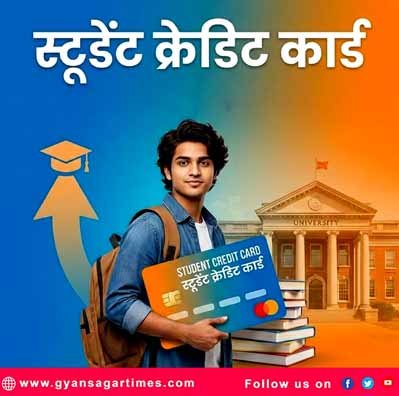
वर्तमान समय में कॉलेज व यूनिवर्सिटी के स्टूडेंट्स के बीच स्टूडेंट क्रेडिट कार्ड की चर्चा खूब हो रही है. बताते चलें कि, स्टूडेंट क्रेडिट कार्ड (Student Credit Card) विशेष रूप से कॉलेज या विश्वविद्यालय के छात्रों के लिए डिज़ाइन किया गया है जो एक वित्तीय उत्पाद है. स्टूडेंट क्रेडिट कार्ड छात्रों को कई महत्वपूर्ण लाभ प्रदान करता है, जो उनके वर्तमान खर्चों के प्रबंधन और भविष्य के वित्तीय लक्ष्यों के लिए एक मजबूत आधार तैयार करने में सहायक होते हैं. इनका क्रेडिट लिमिट आमतौर पर कम होता है, फीस भी कम या शून्य रखी जाती है, और डॉक्यूमेंटेशन भी साधारण होता है. कई बैंक इन्हें या तो फिक्स्ड डिपॉज़िट के बदले के रूप में देते हैं या फिर एंट्री लेवल कार्ड की तरह भी ऑफर करते हैं.
स्टूडेंट क्रेडिट कार्ड के फायदे: –
वर्तमान समय में छात्र अपने छात्र जीवन में ही क्रेडिट स्कोर बनाने का सबसे अच्छा तरीका है. समय पर बिलों का भुगतान करने से एक अच्छा क्रेडिट इतिहास बनता है, जो भविष्य में होम लोन, कार लोन या रेगुलर क्रेडिट कार्ड जैसे बड़े वित्तीय उत्पादों के लिए आवेदन करते समय अत्यंत महत्वपूर्ण होता है. इन कार्डों की क्रेडिट सीमा (Credit Limit) आमतौर पर कम होती है, जो छात्रों को अत्यधिक खर्च करने से रोकती है और उन्हें अपने खर्चों को बुद्धिमानी से प्रबंधित करना भी सिखाती है. वहीँ, छात्रों को अपने मासिक खर्चों को ट्रैक करने और समय पर भुगतान के महत्व को समझने में मदद करता है, जिससे वित्तीय अनुशासन आता है.
अप्रत्याशित खर्चों या आपातकालीन स्थितियों (जैसे चिकित्सा या अचानक यात्रा) के दौरान, यह कार्ड एक वित्तीय सुरक्षा जाल के रूप में कार्य करता है, जिससे छात्रों को अपने परिवार पर तुरंत निर्भर नहीं रहना पड़ता है. साथ ही अधिकांश कार्ड बिलिंग डेट से लेकर ड्यू डेट तक कुछ दिनों की इंटरेस्ट–फ्री अवधि देते हैं, यानी अगर आप समय पर पूरा बिल चुका दें तो ब्याज भी नहीं लगता है.
अगर कोई छात्र स्टूडेंट क्रेडिट कार्डों लेना चाहे तो उसे आसान शर्तों के आधार पर दिया जाता है. बताते चलें कि, नियमित क्रेडिट कार्डों के विपरीत, स्टूडेंट क्रेडिट कार्ड के लिए अक्सर आय प्रमाण की आवश्यकता नहीं होती है. कई स्टूडेंट क्रेडिट कार्डों पर जीरो या कम वार्षिक शुल्क और सदस्यता शुल्क होते हैं, जो इन्हें छात्रों के लिए किफायती बनाते हैं. यह कार्ड छात्रों की जरूरतों के अनुसार रिवॉर्ड पॉइंट, कैशबैक या शैक्षिक खर्चों, किताबों, ऑनलाइन सब्सक्रिप्शन आदि पर भी विशेष छूट प्रदान करते हैं.
ग्रेजुएशन के बाद और आय आवश्यकताओं को पूरा करने पर, छात्र अक्सर अपने स्टूडेंट क्रेडिट कार्ड को नियमित क्रेडिट कार्ड में आसानी से अपग्रेड कर सकते हैं, जिससे उनका लंबा क्रेडिट इतिहास बरकरार रहता है.
स्टूडेंट क्रेडिट कार्ड के नुक्सान: –
एअक तरफ स्टूडेंट क्रेडिट कार्ड कई फायदे प्रदान करते हैं, वहीं इसके उपयोग में कुछ जोखिम और कमियां भी शामिल हैं जिन पर ध्यान देना अति आवश्यक होता है.
- यदि छात्र देय तिथि तक पूरा बिल भुगतान नहीं करते हैं, तो उन्हें नियमित क्रेडिट कार्ड की तरह ही उच्च ब्याज दरें चुकानी पड़ सकती हैं. एक छोटी सी गलती भी कर्ज के बड़े बोझ में बदल सकती है.
- गैर-जिम्मेदाराना खर्च और बार-बार न्यूनतम भुगतान करने की आदत छात्रों को कर्ज के जाल में फंसा सकती है, जिसका असर उनकी पढ़ाई और मानसिक स्वास्थ्य पर भी पड़ सकता है.
- कुछ कार्डों में वार्षिक शुल्क नहीं होता, लेकिन देर से भुगतान, कैश विड्रॉल पर शुल्क, या अन्य छिपे हुए शुल्क हो सकते हैं, जिनके बारे में छात्रों को पता नहीं होता है.
- युवा और अनुभवहीन छात्रों के लिए, क्रेडिट कार्ड से खर्च करना आसान लग सकता है. बिना आय के अत्यधिक खर्च करने का प्रलोभन उन्हें आर्थिक रूप से तनावग्रस्त कर सकता है.
- देर से भुगतान, ऋण की उच्च मात्रा, या बार-बार क्रेडिट सीमा को पार करने से क्रेडिट स्कोर तेजी से गिर सकता है, जिससे भविष्य में लोन लेना मुश्किल हो सकता है.
- जहां कम सीमा वित्तीय जिम्मेदारी को बढ़ावा देती है, वहीं यह बड़े खर्चों के लिए पर्याप्त नहीं हो सकती है. इसके अलावा, क्रेडिट सीमा का बड़ा हिस्सा उपयोग करने से क्रेडिट यूटिलाइजेशन रेश्यो बढ़ सकता है, जो क्रेडिट स्कोर के लिए नकारात्मक माना जाता है.
भारत में कई स्टूडेंट कार्ड फिक्स्ड डिपॉज़िट के बदले दिए जाते हैं या कुछ राज्यों में सरकार के स्टूडेंट क्रेडिट कार्ड स्कीम के तहत शिक्षा–सम्बंधित खर्चों के लिए क्रेडिट दिया जाता है. आमतौर पर इसकी लिमिट 10,000–50,000 या उसके आसपास रखी जाती है, ताकि जोखिम कम रहे.
भारत में पहले ही UPI और डेबिट कार्ड बहुत पॉपुलर हैं, जो सीधा आपके बैंक अकाउंट से पैसा काटते हैं. ऐसे में स्टूडेंट क्रेडिट कार्ड का इस्तेमाल अक्सर “कंविनियंस + रिवार्ड + क्रेडिट हिस्ट्री” के लिए ज्यादा समझदारी भरा होता है, न कि बेसिक खर्च के लिए. जैसे–जैसे ऑनलाइन शॉपिंग बढ़ती है, फिशिंग या फ्रॉड का खतरा भी रहता है, इसलिए कार्ड डिटेल सुरक्षित रखना और संदिग्ध लिंक से बचना भी बहुत जरूरी होता है.
स्टूडेंट क्रेडिट कार्ड कब लेना चाहिए: –
अगर कोई छात्र अपना बजट खुद बना सकते हैं या जानते हैं कि, हर महीने कितना खर्च होगा तो आप स्टूडेंट क्रेडिट कार्ड के लिए अप्लाई कर सकते हैं लेकिन, यह भी ध्यान रखना होगा कि, स्टूडेंट क्रेडिट कार्ड लेने के बाद कितना चुकाना होगा। सिर्फ आप ऑफर देखकर इसके बारे में ना सोचें।
किसी छात्र का उद्देश्य क्रेडिट हिस्ट्री बनाना है तो आप जानबूझकर छोटी–छोटी जिम्मेदार खर्च/पेमेंट करके, समय पर पूरा बिल चुका सकते हैं. ऑफर देखकर बेवजह खर्च करने की आदत के बजाय आप ऑफ़र और रिवार्ड का सोच–समझकर उपयोग कर सकते हैं.
स्टूडेंट क्रेडिट कार्ड कब ना लें: –
अगर कोई छात्र हॉस्टल, कोचिंग, या घर की आर्थिक स्थिति तनावपूर्ण है, तो क्रेडिट कार्ड नया बोझ बन सकता है. वहीँ, मूड बदलने के लिए अचानक शॉपिंग, फूड ऑर्डर या गैजेट लेने की आदत है, तो यह कार्ड आपको और फंसा सकता है. अगर आप इंटरेस्ट रेट, मिनिमम पेमेंट, बिलिंग साइकल, चार्जेज – अगर ये सब आपको उलझन भरे लगते हैं और सीखने की इच्छा भी नहीं है, तो पहले जानकारी लें, बाद में कार्ड लें.
बिहार स्टूडेंट क्रेडिट कार्ड योजना
बिहार स्टूडेंट क्रेडिट कार्ड योजना (BSCC) राज्य सरकार की एक महत्वपूर्ण पहल है जिसका उद्देश्य आर्थिक रूप से कमजोर छात्रों को उच्च शिक्षा प्राप्त करने में मदद करना है। यह सामान्य क्रेडिट कार्ड से अलग, एक प्रकार का एजुकेशन लोन (शिक्षा ऋण) है.
बताते चलें कि, 2 अक्टूबर 2016 को बिहार सरकार के शिक्षा विभाग द्वारा”बिहार स्टूडेंट क्रेडिट कार्ड योजना” को शुरू किया गया था. यह योजना बिहार के सात निश्चय (7 Nishchay) कार्यक्रम का एक हिस्सा भी है, जिसका मुख्य लक्ष्य राज्य के युवाओं को सशक्त बनाना है. इस योजना का मुख्य उद्देश्य उन मेधावी छात्रों को वित्तीय सहायता प्रदान करना है जो इंटरमीडिएट (12वीं कक्षा) उत्तीर्ण करने के बाद आर्थिक बाधाओं के कारण अपनी उच्च शिक्षा पूरी करने में असमर्थ हैं.
पात्रता मापदंड: –
- आवेदक बिहार राज्य का स्थायी निवासी होना चाहिए।
- छात्र को किसी मान्यता प्राप्त संस्थान से 12वीं कक्षा (या समकक्ष) उत्तीर्ण होना चाहिए।
- आमतौर पर, आवेदन के समय आवेदक की अधिकतम आयु 25 वर्ष से अधिक नहीं होनी चाहिए (संशोधन के लिए आधिकारिक दिशा-निर्देश देखें).
- छात्र को बिहार सरकार द्वारा मान्यता प्राप्त या सूचीबद्ध (Authorized/Listed) संस्थानों में ही प्रवेश लेना अनिवार्य है. (हाल ही में, गुणवत्ता सुनिश्चित करने के लिए निजी संस्थानों को NAAC/NIRF/NBA से मान्यता या विभाग के वैकल्पिक पोर्टल पर जांच अनिवार्य कर दी गई है).
आवेदन कैसे करें: –
- बिहार सरकार के सात निश्चय पोर्टल की आधिकारिक वेबसाइट पर जाएँ: https://www.7nishchay-yuvaupmission.bihar.gov.in/
- ‘New Applicant Registration’ बटन पर क्लिक करें।
- नाम, ईमेल आईडी, मोबाइल नंबर, आधार नंबर आदि विवरण भरकर पंजीकरण करें।
- पंजीकरण के बाद, लॉग इन करके बिहार स्टूडेंट क्रेडिट कार्ड योजना का आवेदन फॉर्म भरें।
- सभी आवश्यक दस्तावेज (जैसे 10वीं/12वीं का प्रमाण पत्र, निवास प्रमाण पत्र, प्रवेश प्रमाण पत्र, फोटो, आदि) अपलोड करें.
- आवेदन जमा करे और रसीद लें.
ऋण चुकाने की प्रक्रिया: –
लोन चुकाने की प्रक्रिया छात्र का कोर्स पूरा होने के बाद और नौकरी लगने के 6 महीने बाद से शुरू होती है. यदि कोई छात्र 2 लाख रूपये तक के ऋण को 60 मासिक किस्तों में चुकाया जा सकता है. वहीँ, 2 लाख रूपये से ऊपर के ऋण को 84 मासिक किस्तों में चुकाने की सुविधा है. कोई छात्र यदि समय से पहले पूरा ऋण चुका देता है, तो उसे ब्याज दर में 0.25% की छूट भी मिल सकती है.
स्टूडेंट क्रेडिट कार्ड छात्रों के लिए एक शक्तिशाली वित्तीय उपकरण है जो उन्हें कम उम्र में ही वित्तीय स्वतंत्रता और साक्षरता प्रदान कर सकता है. हालांकि, यह दोधारी तलवार की तरह है. छात्रों को चाहिए कि वे केवल उतनी ही राशि खर्च करें जितनी वे समय पर चुका सकें. यदि वे इसका उपयोग सावधानी से करते हैं, तो यह उनके उज्जवल वित्तीय भविष्य के लिए एक मजबूत नींव साबित हो सकता है. बुजुर्गों ने ठीक ही कहा है “सफलता की कुंजी इसके बुद्धिमानी और जिम्मेदारी से उपयोग में निहित होता है”.
========== ========= ===========
What are the advantages and disadvantages of student credit cards?

Student credit cards are currently being discussed widely among college and university students. Student credit cards are a financial product specifically designed for college or university students. Student credit cards offer several important benefits, helping students manage their current expenses and build a strong foundation for future financial goals. They typically have a low credit limit, low or zero fees, and simple documentation. Many banks offer them as a fixed deposit or as an entry-level card.
Advantages of Student Credit Cards: –
These days, it’s the best way for students to build their credit score while still in their student years. Paying bills on time builds a strong credit history, which is crucial when applying for larger financial products like home loans, car loans, or regular credit cards in the future. These cards typically have low credit limits, which prevents students from overspending and teaches them to manage their expenses wisely. They also help students track their monthly expenses and understand the importance of making timely payments, thereby fostering financial discipline.
In case of unexpected expenses or emergencies (such as medical treatment or unexpected travel), these cards serve as a financial safety net, preventing students from immediately relying on their families. Most cards also offer an interest-free period of several days from the billing date to the due date, meaning no interest is charged if the full bill is paid on time.
If students choose to avail of student credit cards, they are offered on flexible terms. Unlike regular credit cards, student credit cards often do not require income proof. Many student credit cards have zero or low annual fees and membership fees, making them affordable for students. These cards also offer reward points, cashback, or special discounts on educational expenses, books, online subscriptions, etc., tailored to students’ needs.
After graduation and meeting income requirements, students can often easily upgrade their student credit card to a regular credit card, maintaining a long credit history.
Disadvantages of Student Credit Cards: –
While student credit cards offer many benefits, their use also involves some risks and drawbacks that are important to consider.
- If students don’t pay the full bill by the due date, they may incur high interest rates, similar to regular credit cards. Even a small mistake can lead to a significant debt burden.
- Irresponsible spending and the habit of repeatedly making minimum payments can trap students in debt, which can impact their studies and mental health.
- Some cards do not have annual fees, but they may have late payment fees, cash withdrawal fees, or other hidden charges that students are unaware of.
- For young and inexperienced students, spending with a credit card can seem easy. The temptation to overspend without sufficient income can leave them financially stressed.
- Late payments, high debt, or repeatedly exceeding the credit limit can rapidly lower credit scores, making it difficult to obtain loans in the future.
- While a low limit encourages financial responsibility, it may not be sufficient for large expenses. Furthermore, using a large portion of the credit limit can increase the credit utilization ratio, which is considered negative for credit scores.
Many student cards in India are issued against fixed deposits or, in some states, offer credit for education-related expenses under the government’s Student Credit Card Scheme. Typically, the limit is set around ₹10,000–₹50,000 to minimize risk.
UPI and debit cards are already very popular in India, deducting money directly from your bank account. Therefore, using a student credit card often makes more sense for “convenience + rewards + credit history,” rather than for basic expenses. As online shopping grows, so does the risk of phishing and fraud, so it’s crucial to keep card details safe and avoid suspicious links.
When should a student get a credit card?
If a student can manage their own budget or knows how much they will spend each month, they can apply for a student credit card. However, they must also consider how much they will have to repay after getting the credit card. Don’t just consider it based on offers alone.
If a student’s goal is to build a credit history, they can deliberately make small, responsible purchases/payments and pay the full bill on time. Instead of developing a habit of spending unnecessarily based on offers, they can use offers and rewards wisely.
When not to get a student credit card: –
If a student is in a hostel, coaching center, or facing financial stress at home, a credit card can become a new burden. If you have a habit of making impromptu purchases, ordering food, or buying gadgets to change your mood, this card can further entangle you. If you find interest rates, minimum payments, billing cycles, and charges all confusing and you don’t have the desire to learn, get the information first and then get the card.
Bihar Student Credit Card Scheme
The Bihar Student Credit Card Scheme (BSCC) is a significant initiative of the state government aimed at helping economically disadvantaged students pursue higher education. It is a type of education loan, distinct from a typical credit card.
The Bihar Student Credit Card Scheme was launched by the Education Department of the Bihar government on October 2, 2016. This scheme is also a part of Bihar’s 7 Nishchay program, whose primary goal is to empower the state’s youth. The primary objective of this scheme is to provide financial assistance to meritorious students who are unable to pursue higher education after completing intermediate (12th grade) due to financial constraints.
Eligibility Criteria: –
- Applicants must be permanent residents of the state of Bihar.
- Students must have completed 12th grade (or equivalent) from a recognized institution.
- Generally, the maximum age of the applicant at the time of application should not exceed 25 years (see official guidelines for revisions).
- Students must seek admission only in institutions recognized or listed by the Government of Bihar. (Recently, to ensure quality, private institutions have been mandated to obtain NAAC/NIRF/NBA accreditation or verification on the department’s alternative portal).
How to Apply: –
- Visit the official website of the Bihar Government’s Saat Nishchay portal: https://www.7nishchay-yuvaupmission.bihar.gov.in/
- Click on the ‘New Applicant Registration’ button.
- Register by entering details such as name, email ID, mobile number, Aadhaar number, etc.
- After registration, log in and fill out the Bihar Student Credit Card Scheme application form.
- Upload all required documents (such as 10th/12th grade certificate, residence certificate, admission certificate, photo, etc.).
- Submit the application and obtain a receipt.
Loan Repayment Process: –
Loan repayment begins after the student completes their course and after six months of securing a job. For students with loans up to ₹2 lakh, the loan can be repaid in 60 monthly installments. Loans above ₹2 lakh can be repaid in 84 monthly installments. Students who repay the entire loan before time can also receive a 0.25% interest rate discount.
Student credit cards are a powerful financial tool for students that can provide them with financial independence and literacy at an early age. However, they are a double-edged sword. Students should spend only what they can repay on time. If used carefully, it can lay a strong foundation for a bright financial future. As the elders rightly say, “The key to success lies in its wise and responsible use.”