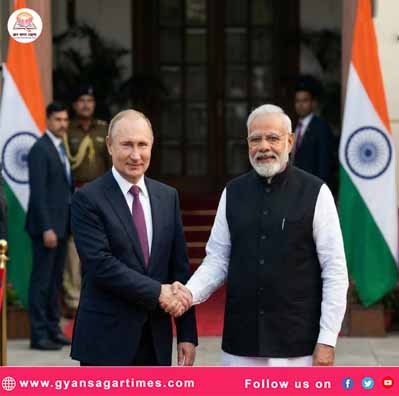
वैश्विक राजनीति में बड़े बदलाव, पश्चिमी दबाव, ऊर्जा बाज़ारों में उथल‑पुथल साथ ही यूक्रेन युद्ध के कारण रूस की कूटनीतिक स्थिति चुनौतीयों के बीच वर्ष 2025 के आखरी महीने में रूसी राष्ट्रपति व्लादिमीर पुतिन की भारत यात्रा कई मायनों में ऐतिहासिक और रणनीतिक रूप से अत्यंत महत्वपूर्ण रही.
वैसे भी भारत और रूस के बीच संबंध ऐतिहासिक रूप से घनिष्ठ और बहुआयामी रहा है. भारत और रूस दोनों के लिए यह यात्रा केवल औपचारिकता नहीं थी, बल्कि एक रणनीतिक संदेश भी थी कि दोनों देश अपनी “विशेष और विशेषाधिकार प्राप्त रणनीतिक साझेदारी” को और गहरा करने के लिए प्रतिबद्ध हैं. हाल के घटनाक्रमों और उच्च-स्तरीय यात्राओं का विश्लेषण बताता है कि यह साझेदारी समय की कसौटी पर खरी उतरी है, लेकिन इसे और अधिक संतुलित तथा समकालीन बनाने के प्रयास जारी हैं.
वैसे भी उच्च-स्तरीय यात्राएँ, जैसे कि वार्षिक शिखर सम्मेलन, भारत-रूस के संबंधों की मजबूती और निरंतरता को दर्शाती हैं. भारत-रूस साझेदारी का यह सबसे मजबूत स्तंभ है. वहीँ, भारत, रूस के रक्षा उपकरणों का सबसे बड़ा खरीदार बना हुआ है. S-400 एयर-डिफेंस सिस्टम, Su-57 फाइटर जेट और AK-203 असॉल्ट राइफल जैसे बड़े समझौते इस सहयोग की गहराई को दर्शाते हैं. साथ ही सहयोग अब केवल ‘क्रेता-विक्रेता’ तक सीमित नहीं है, बल्कि ब्रह्मोस सुपरसोनिक क्रूज मिसाइल के संयुक्त विकास और उत्पादन जैसे कार्यक्रमों में भी विस्तारित हुआ है. वर्ष 2021- 31 के लिए सैन्य-तकनीकी सहयोग कार्यक्रम को मजबूत करने की प्रतिबद्धता भी जताई गई है. यह सहयोग भारत की रक्षा क्षमताओं को मजबूत करने और सैन्य आधुनिकीकरण की रणनीति के लिए महत्वपूर्ण है.
दूसरी तरफ, द्विपक्षीय व्यापार को नई ऊंचाइयों पर ले जाने का लक्ष्य रखा गया है. दोनों देशों ने वर्ष 2030 तक द्विपक्षीय व्यापार को $100 बिलियन तक पहुँचाने का महत्वाकांक्षी लक्ष्य भी रखा है. वहीँ, रूस भारत की ऊर्जा सुरक्षा के लिए एक प्रमुख भागीदार है. कूडनकुलम परमाणु ऊर्जा संयंत्र में रिएक्टरों के निर्माण में रूसी सहयोग (रोसाटॉम के माध्यम से) असैन्य परमाणु ऊर्जा में महत्वपूर्ण साझेदारी का ताजा उदाहरण है इसके अलावा, भारत को रूसी तेल और उर्वरकों की आपूर्ति भी जारी है. साथ ही व्यापार को पश्चिमी प्रतिबंधों से बचाने के लिए रुपया-रूबल निपटान तंत्र के विस्तार पर भी चर्चा हुई है, जिससे वर्तमान में 90% व्यापार स्थानीय मुद्रा में ही हो रहा है.
आपसी संबंधों को और गहरा करने के लिए भी नई पहल की गई हैं. रूसी नागरिकों के लिए 30 दिन का निःशुल्क ई-पर्यटक वीजा और 30 दिन का समूह पर्यटक वीजा शुरू करने की भारत की घोषणा से पर्यटन को बढ़ावा मिलेगा. भारतीय नागरिकों के लिए रूस में कानूनी अस्थायी रोजगार को आसान बनाने के लिए श्रम प्रवास समझौते पर भी हस्ताक्षर किए गए हैं. साथ ही आर्कटिक रूट के माध्यम से कनेक्टिविटी बढ़ाने पर सहयोग से यूरोप तक माल पहुंचाने का समय और लागत में करीब 30-40% तक कमी होने की संभावना है.
वर्तमान समय के व्यापार में $70 बिलियन के आसपास है, लेकिन यह संतुलित नहीं है. भारत रूस से लगभग $65 बिलियन का आयात करता है, जबकि निर्यात केवल $5 बिलियन का है. भारत इस व्यापार घाटे पर चिंता व्यक्त करता रहा है और फार्मास्यूटिकल्स, ऑटोमोबाइल, कृषि उत्पादों जैसे क्षेत्रों में निर्यात बढ़ाने के लिए नए रास्ते भी तलाश रहा है. ज्ञात है कि, यूक्रेन संघर्ष और पश्चिमी देशों के प्रतिबंधों ने दोनों देशों के बीच व्यापार और वित्तीय लेनदेन में जटिलताएँ भी उत्पन्न हुई हैं. वहीँ, भारत के अमेरिका और अन्य पश्चिमी देशों के साथ बढ़ते रक्षा और आर्थिक संबंध रूस के लिए कुछ हद तक चिंता का विषय हो सकते हैं, हालांकि भारत बहु-गठबंधन की अपनी विदेश नीति को ही प्राथमिकता देता है.
भारत की रूस यात्राएँ और द्विपक्षीय सम्मेलन बेहद सफल माने जा सकते हैं. वे न केवल रक्षा और ऊर्जा जैसे पारंपरिक क्षेत्रों में सहयोग को मजबूत करते हैं, बल्कि आर्थिक, कनेक्टिविटी और लोगों के बीच संबंधों के लिए भी एक व्यापक रोडमैप तैयार करते हैं, जैसे कि वर्ष 2030 तक आर्थिक सहयोग कार्यक्रम से स्पष्ट है. वहीँ, पुतिन की भारत यात्रा ने यह स्पष्ट कर दिया कि भारत और रूस दोनों ही अपने संबंधों को नए युग की आवश्यकताओं के अनुरूप ढालने की क्षमता रखते हैं, जिससे यह सुनिश्चित होता है कि यह दोस्ती ध्रुव तारे की तरह अडिग बनी रहेगी.
========== ========= ===========
How successful was the India visit?
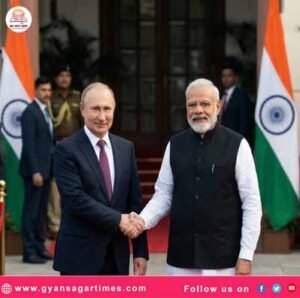
Amid major shifts in global politics, Western pressure, turmoil in energy markets, and challenges to Russia’s diplomatic position due to the Ukraine war, Russian President Vladimir Putin’s visit to India in the last month of 2025 was historically and strategically significant in many ways.
The relationship between India and Russia has historically been close and multifaceted. For both India and Russia, this visit was not merely a formality but also a strategic message that both countries are committed to further deepening their “special and privileged strategic partnership.” Analysis of recent developments and high-level visits indicates that this partnership has stood the test of time, but efforts are underway to make it more balanced and contemporary.
High-level visits, such as the annual summit, demonstrate the strength and continuity of India-Russia relations. This is the strongest pillar of the India-Russia partnership. Furthermore, India remains the largest buyer of Russian defense equipment. Major agreements such as the S-400 air-defense system, the Su-57 fighter jet, and the AK-203 assault rifle demonstrate the depth of this cooperation. Furthermore, cooperation is no longer limited to “buyer-seller” engagement, but has expanded to include programs such as the joint development and production of the BrahMos supersonic cruise missile. A commitment has also been expressed to strengthen the military-technical cooperation program for 2021-31. This cooperation is crucial to strengthening India’s defense capabilities and military modernization strategy.
Consequently, bilateral trade is aimed at reaching new heights. Both countries have set an ambitious target of reaching $100 billion in bilateral trade by 2030. Russia is a key partner for India’s energy security. Russian cooperation (through Rosatom) in the construction of reactors at the Kudankulam Nuclear Power Plant is the latest example of a significant partnership in civilian nuclear energy. Furthermore, supplies of Russian oil and fertilizers to India continue. Additionally, discussions were held to expand the rupee-ruble settlement mechanism to protect trade from Western sanctions, as 90% of trade is currently conducted in local currencies.
New initiatives have also been taken to further deepen mutual relations. India’s announcement of the introduction of a 30-day free e-tourist visa and a 30-day group tourist visa for Russian citizens will boost tourism. A labor migration agreement was also signed to facilitate legal temporary employment in Russia for Indian citizens. Cooperation on enhancing connectivity through the Arctic route is expected to reduce the time and cost of transporting goods to Europe by approximately 30-40%.
Currently, trade is around $70 billion, but it is not balanced. India imports approximately $65 billion from Russia, while exports are only $5 billion. India has been expressing concern over this trade deficit and is exploring new avenues to increase exports in sectors such as pharmaceuticals, automobiles, and agricultural products. It is known that the Ukraine conflict and Western sanctions have also created complications in trade and financial transactions between the two countries. India’s growing defense and economic ties with the United States and other Western countries may be of some concern to Russia, although India prioritizes its foreign policy as multi-alliance.
India’s visits to Russia and bilateral summits can be considered highly successful. They not only strengthen cooperation in traditional areas such as defense and energy, but also lay out a comprehensive roadmap for economic, connectivity, and people-to-people ties, as evidenced by the Economic Cooperation Program until 2030. Putin’s visit to India made it clear that both India and Russia have the ability to adapt their relations to the needs of the new era, ensuring that this friendship remains as steadfast as the Pole Star.